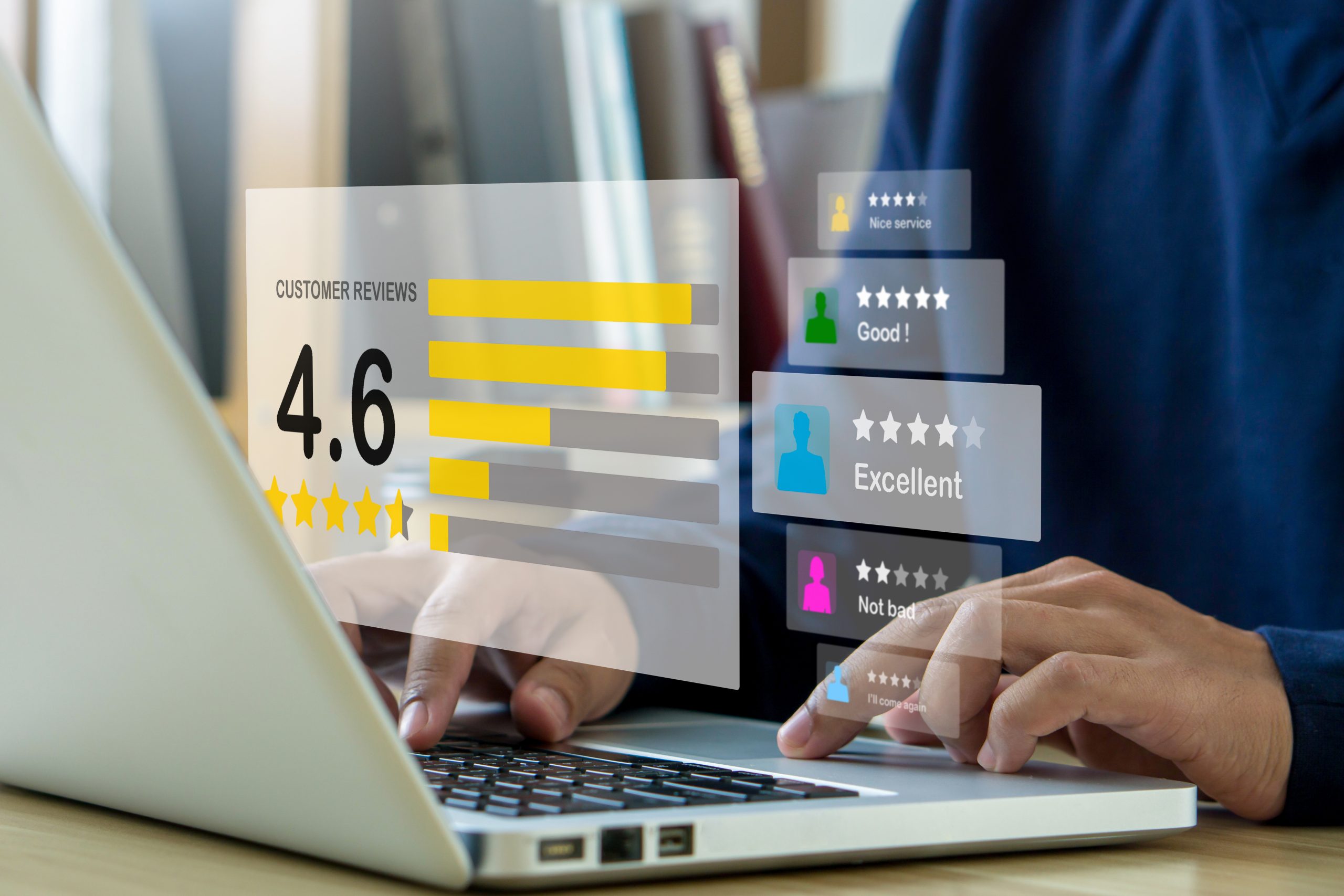
When someone searches your brand, they see a mix of reviews, star ratings, social profiles, news, and directory listings that all combine to form your digital first impression. This impression directly impacts whether they call you, visit your website, or choose a competitor instead.
For local and multi-location businesses, strong online reputation management:
- Builds trust and credibility by showcasing genuine positive reviews and transparent responses to negative feedback.
- Increases revenue and conversion rates because higher ratings and fresh reviews dramatically lift purchase intent.
- Improves visibility in search, especially in the local map pack and branded searches, by aligning reviews, citations, and business profiles.
- Acts as a form of crisis insurance, allowing you to detect issues early, respond fast, and control the narrative before negative content spreads.
In 2026, search engines and AI-driven answer boxes heavily factor in reviews, sentiment, and third‑party mentions, which means reputation and SEO are more closely connected than ever.
How Reputation MGMT’s 3Ms Framework Works
Reputation MGMT uses a proven 3Ms methodology—Manage, Measure, and Market—to give brands full control over what customers see and say about them online.
Manage: Clean Up and Strengthen Your Online Profile
The Manage phase focuses on stabilizing and improving how your business appears across the web.
Key activities include:
- Review audits to analyze every major review site, understand themes in your feedback, and prioritize high‑impact improvements.
- Disputing and removing inaccurate or defamatory reviews when they violate platform policies, helping protect your brand from unfair attacks.
- Building and optimizing branded assets such as directory listings, citations, and profile pages so your information is consistent and trustworthy everywhere customers find you.
- Creating branded search results that elevate owned properties—your website, social profiles, and key listings—so positive assets dominate page one.
This management layer is critical for companies facing negative press, anonymous complaints, or impersonation issues that can damage sales and reputation if left unchecked.
Measure: Always Know Where You Stand
In reputation management, you can’t improve what you don’t track, so Reputation MGMT builds measurement into the core of its service.
The Measure phase includes:
- Branded keyword and mention tracking to monitor reviews, articles, forums, and social posts that reference your business name, leadership, or key products.
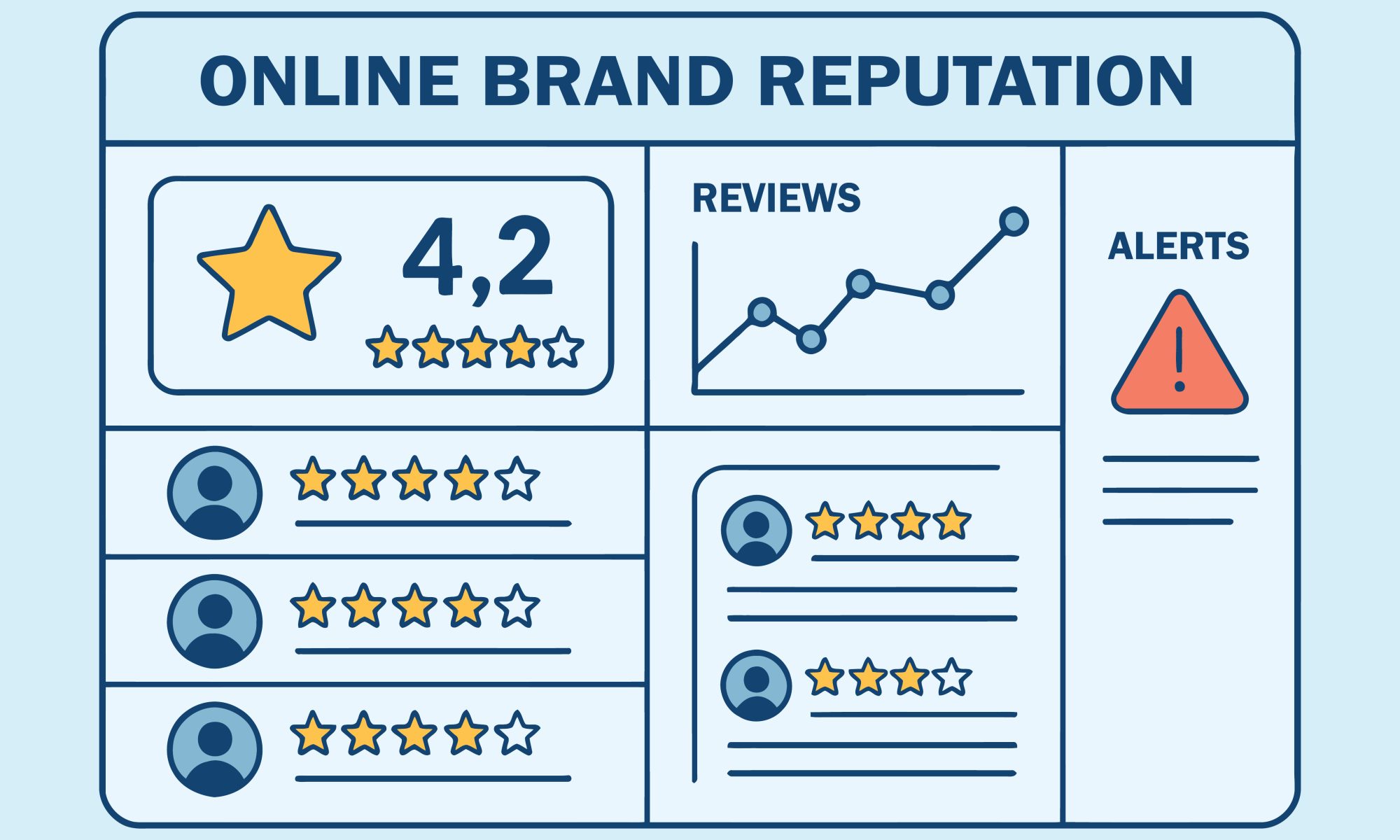
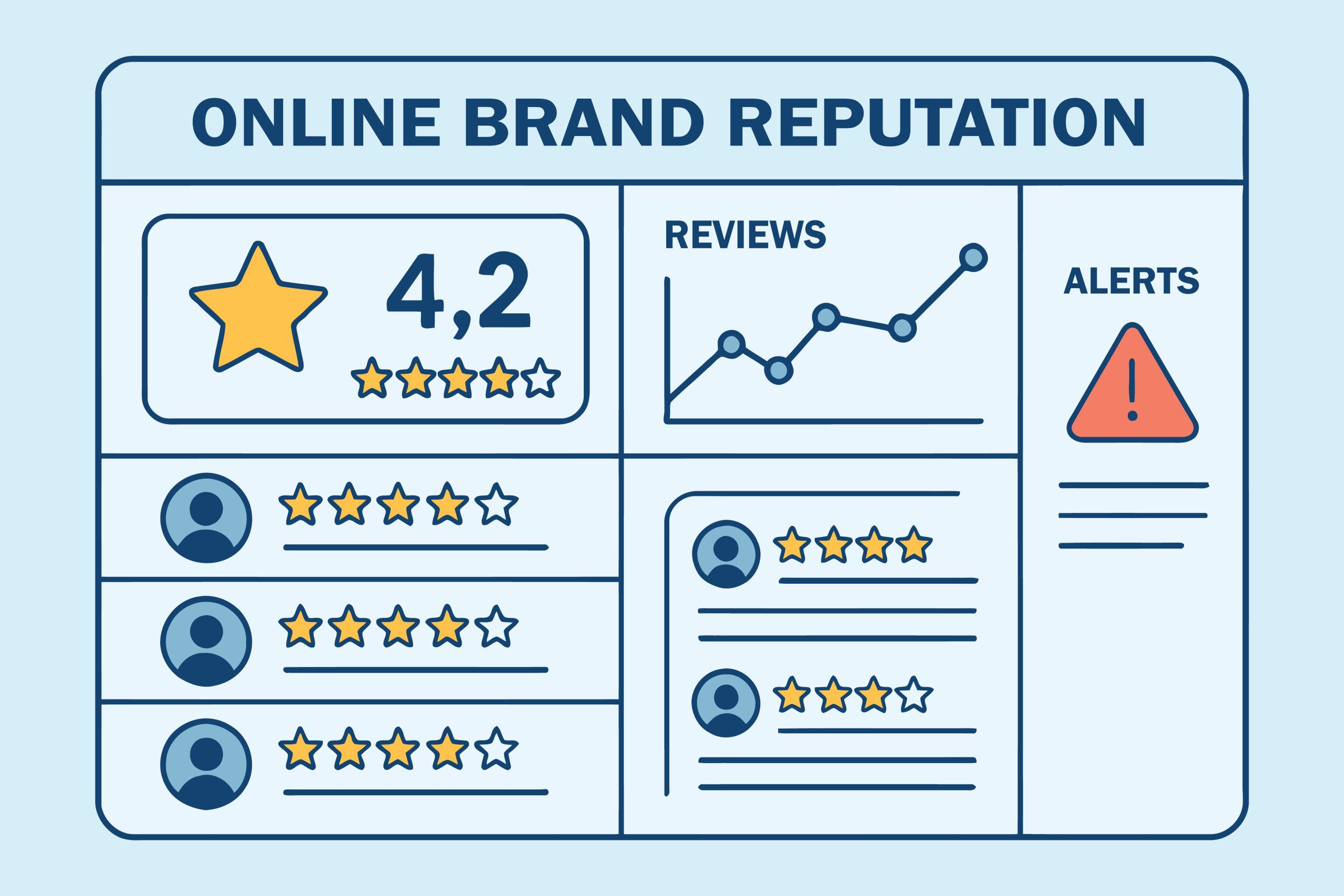
- Centralized review tools that collect feedback from multiple platforms into one dashboard, making it easier to respond quickly and consistently.
- Name and profile domination that monitors your knowledge panels, local listings, and key SERP features so you understand exactly what searchers see for your brand.
- Reputation analytics and tracking reports to measure trends in star ratings, sentiment, review volume, and search visibility over time.
For executives and marketing teams, this turns reputation into a measurable asset that can be tied to traffic, leads, and revenue growth.
Market: Turn Reputation into a Growth Engine
Once your foundation is stable and measurable, Reputation MGMT helps you actively market your reputation across every channel where your customers make decisions.
The Market phase emphasizes:
- High‑converting brand websites that highlight social proof, testimonials, and trust signals to turn more visitors into leads.
- Social media optimization, including strategic titles, bios, and content that align with your brand story and boost engagement.
- Local listening to stay ahead of neighborhood‑level conversations and trends that impact your locations, from community reviews to local press.
- Publishing and promoting branded content that supports Search Engine Reputation Management (SERM), pushing strong, authoritative assets above any outdated or negative results.
By integrating reviews and reputation signals into your site, profiles, and content strategy, your online image becomes a scalable marketing channel instead of just a risk to manage.
Reputation Management and SEO: Why They Belong Together
Modern SEO is no longer just about keywords and backlinks—search engines use reviews, ratings, and engagement as quality signals, especially for local and service-based queries. For Reputation MGMT clients, this creates a powerful synergy between reputation strategy and search performance.
Here are a few ways reputation directly shapes your search results:
- Local rankings: Consistent NAP data, strong review volume, and high star ratings are core factors in how prominently you appear in local packs and Maps.
- Click‑through rates: When prospects see great ratings, recent reviews, and clear branding in SERPs, they are far more likely to click your result over a competitor with a weaker profile.
- Branded search control: Strategic content, optimized profiles, and directory placements help you populate page one with properties you control or influence.
- Zero‑click answers: As AI‑driven summaries and rich snippets become more common, having accurate, positive signals across platforms ensures those answers reflect your best side.
Effective reputation strategies therefore amplify your SEO campaigns, helping every marketing dollar go further by boosting both visibility and conversion.
Who Benefits Most from Reputation MGMT
Reputation MGMT is particularly valuable for industries where trust, reviews, and local presence drive the majority of buying decisions. Examples include:
- Healthcare and medical practices that rely on patient reviews and local search visibility to attract new appointments.
- Home services and contractors, where star ratings and testimonials often decide who wins the job.
- Hospitality, restaurants, and tourism businesses that depend on directory sites, social media, and frequent reviews to capture demand.
- Professional services such as law, finance, and consulting, where reputation and authority strongly influence perceived expertise.
For these and other sectors, partnering with a dedicated reputation management provider helps internal teams stay focused on operations while experts monitor, protect, and promote the brand around the clock.
If your business is ready to turn reviews, search results, and customer feedback into a long‑term growth engine, professional reputation management gives you the structure, tools, and strategy to take control of your brand narrative across the entire web.